

Responsible value chain
Why it matters
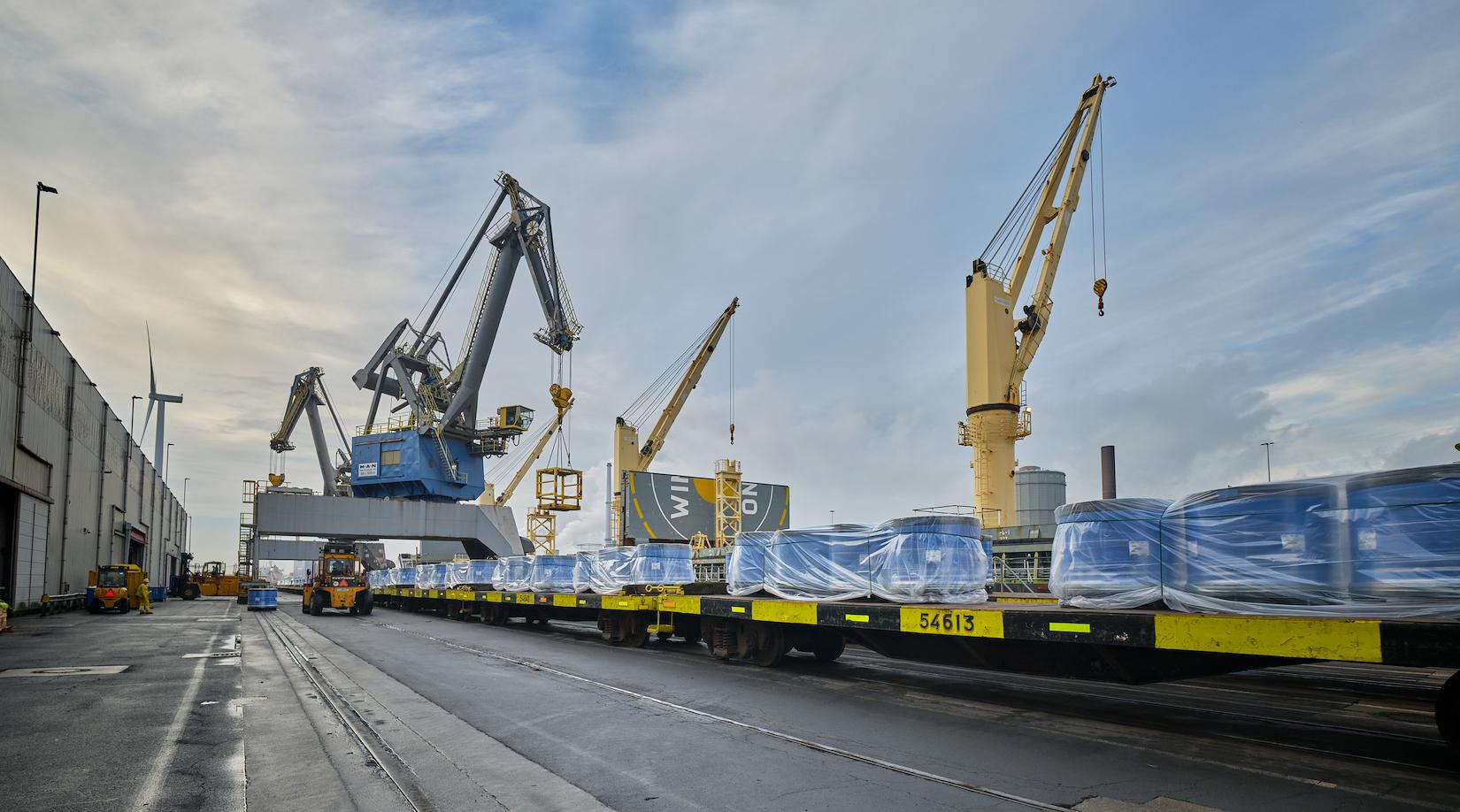
TSN’s steel production relies on a global value chain, with mining and raw material sourcing as the upstream starting point.
Key objectives
The double materiality assessment identified four impacts and one risk relating to working conditions and health and safety of workers and human rights of affected communities in the upstream value chain.
During the reporting year, TSN focused its due diligence efforts on upstream segments with elevated inherent risk profiles, using a priority materials list to prioritise engagement.
TSN is currently developing a standalone Human Rights Policy and meanwhile continued to apply its Responsible Supply Chain Policy as the basis for supplier expectations and risk-based due diligence.
Engagement with suppliers, sector initiatives and multi‑stakeholder platforms supported the identification of systemic risks and informed policy development.
Looking ahead, TSN’s priority is to further strengthen due diligence implementation, supplier engagement and grievance mechanisms before introducing outcome-oriented targets.
TSN applies a combined stakeholder approach in the upstream value chain and therefore integrates the Responsible Value Chain chapter with the workers in the value chain and affected communities disclosures.
Affected communities located near the TSIJ operations are covered in a separate chapter, given the materiality of local impacts.
Table. Summary of IROs, policies, key actions, metrics and targets related to value chain workers and affected communities in the value chain
|
Impacts, risks and opportunities |
Category |
Policies |
Actions |
Metrics |
Targets |
|---|---|---|---|---|---|
|
Working conditions: Foreseeable inadequate working conditions in TSN’s value chain, such as low wages, insecure employment, working time, and limited social protection may negatively affect workers’ wellbeing, may lead to reduced life quality and health-related impacts. |
Actual, Negative impact |
Human Rights policy |
|
TSN will assess the option developing entity-specific metrics. |
No targets have been set for the current reporting period |
|
Child labour and forced labour: The presence of child and forced labour risks in artisanal mining and small-scale mining may lead to serious physical and psychological harm for affected individuals, undermining human rights and social wellbeing. |
Actual, Negative impact |
||||
|
Human rights in the value chain: Legal and reputational risk due to potential human, civil, and political rights violations among value chain workers, which may lead to public scrutiny, legal liabilities, and disruption of operations. |
Risk |
||||
|
Human rights of value chain communities: Insufficient consideration of community wellbeing in parts of TSN’s value chain, such as environmentally unsafe conditions, lack of land rights, and lack of social contribution may contribute to social disempowerment, increased distrust, and potential escalation of social tensions. |
Actual, Negative impact |
||||
|
Health and safety: Inadequately enforced health and safety standards in parts of TSN’s value chain may increase the risk of workplace accidents and health impacts, potentially affecting workers’ wellbeing. |
Actual, Negative impact |
|
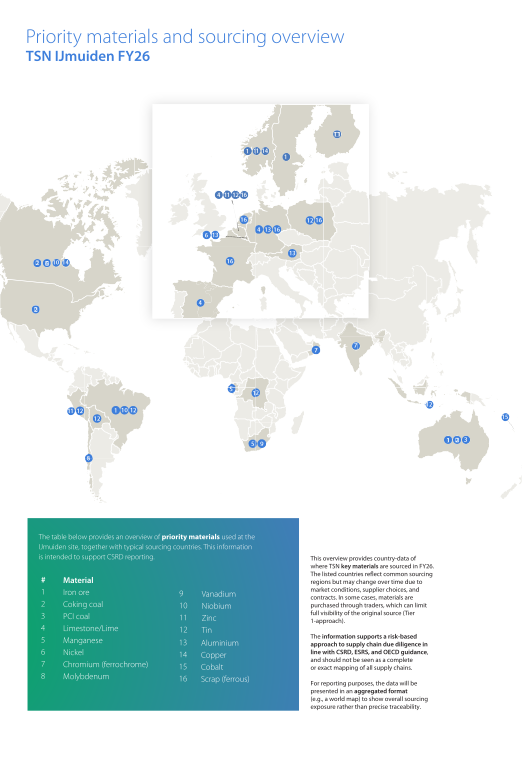
Mining forms the initial stage of our steel production value chain, as the manufacturing high-quality steel requires a wide range of raw materials. To focus our due diligence efforts, TSN has developed a list of priority materials based on an assessment of upstream segments where environmental and human rights risks may be more pronounced. This assessment also considers where TSN has an established business relationship and potential leverage to engage with and influence value chain participants.
Based on this approach, TSN has identified sixteen materials to be prioritised: iron ore, pellets and sinter feed; coking coal, PCI coal and anthracite; manganese, chromium, nickel, molybdenum and vanadium; and zinc, tin, aluminium and copper. These materials are characterised by inherently elevated risk profiles linked to their extraction and processing, rather than by identified incidents in TSN’s value chain.
The extraction of these materials can potentially impact on working and living conditions for workers and communities. At TSN, we prioritize safeguarding the well-being of workers and residents in surrounding areas within the upstream value chain by identifying priority materials and regions and collaborating with partners.
A world map displays the regions of origin for selected priority materials, highlighted in blue. The input data is sourced from our list of minerals.
Impact, risk and opportunity management
Current financial effects
TSN has assessed the current financial effects of its material risk related to human rights violations in the value chain. No instances of non‑compliance or violations of human, civil, or political rights among value chain workers that would impact TSN’s financial position were identified during the reporting year. For incidents identified in the value chain, refer to the conflict mineral section (ITSCI Program).
Responsible value chain policies
TSN has a set of policies forming the foundation of its due diligence approach for improving working and living conditions in the value chain. The policies for our upstream value chain activities are the Human rights policy and the Responsible Supply Chain policy. We are using a risk-based approach for due diligence process implementation, where we engage closely with critical suppliers and support continuous improvement as part of our ongoing due diligence.
Table. Policies related to value chain workers and affected communities in the value chain
|
Human Rights policy |
||
|
Background |
Key Content |
Scope & key stakeholders |
|
|
|
|
Responsible Supply Chain Policy |
||
|
Background |
Key Content |
Scope & key stakeholders |
|
|
|
Human Rights policy
TSN is in the process of finalising a standalone Human Rights Policy, which is intended to set out TSN’s commitment to respecting human rights throughout our value chain, including our own workforce, workers in the value chain and affected communities, in line with the UN Guiding Principles on Business and Human Rights, relevant ILO conventions and applicable laws. Through the policy, we will integrate human rights into operations through a risk-based approach to identify, prevent, and address adverse impacts. Our policy will cover issues such as prohibiting child labour, forced labour, human trafficking, non-discrimination, freedom of association, fair working conditions, and safe workplaces. For our full commitment, we want to continue to consider interests and concerns of affected worker groups and affected communities when updating and applying the policy.
Our Human Rights Policy will be aligned with international standards addressing child labour, forced or compulsory labour, and human trafficking.
Responsible Supply Chain Policy
TSN is in the process of updating its Responsible Supply Chain Policy, which outlines expectations to our suppliers and encourages our supply chain partners to share the same commitment. We expect partners to demonstrate integrity, comply with laws and not to engage in fraud, bribery and other unethical practices. They are encouraged to reduce environmental impacts, provide safe and healthy working conditions, and uphold fundamental human rights.
Our Responsible Supply Chain Policy, supported by its implementation guidelines, will serve as TSN’s Supplier Code of Conduct. It specifies behaviour expected from all supply chain partners and clarifies that compliance with these requirements is a prerequisite for doing business with TSN.
Occupational Health and Safety
We differentiate between occupational safety requirements within our own operations and expectations for our upstream partners, while maintaining a consistent commitment to protecting people throughout the value chain.
In the upstream value chain, occupational health and safety expectations are embedded in the Responsible Supply Chain Policy and the Human Rights Policy. These documents define the standards we expect suppliers to uphold and form part of our broader responsible supply chain approach. As part of this process, TSN requests information about ISO 45001 certification when sending out questionnaires to selected suppliers.
Engagement with value chain workers and affected communities
TSN aims to build meaningful engagement with value chain workers and affected communities to strengthen our due diligence process. We engage both directly and indirectly through suppliers and sector initiatives. TSN continuously updates its Stakeholder Engagement framework to identify relevant stakeholders or their representatives and appropriate channels. Like our policy implementation, our engagement strategy is risk-based, focusing on suppliers, regions and activities where impacts on workers and communities are more likely to occur.
-
For direct engagement, we interact with Tier 1 suppliers through procurement processes, including the implementation of our Responsible Supply Chain Policy and targeted questionnaires to the providers of the priority material.
-
Engagement with legitimate representatives, such as trade unions, or credible proxies is supported through participation in the sector-wide multi-stakeholder initiative, the Dutch Metals Agreement. The platform enables dialogue on systemic risks, including occupational health and safety and labour rights, while supporting shared learning across the value chain,
TSN’s engagement incorporates viewpoints from value chain workers and impacted communities, primarily through the Metal Agreement. Insights gathered this year have contributed to policy development, updates, and the identification of key areas to enhance due diligence processes.
Channels for raising concerns and grievance mechanisms
Value chain workers and affected communities can raise concerns regarding human rights or working conditions through several channels. These channels include direct written communication to our dedicated grievance line and incident tracking channel, or through supplier meetings. Issues may be reported without fear of retaliation. All reports are handled in line with EU and national whistleblower protection requirements.
Indirect channels that reach TSN are our multi-stakeholder initiatives, that gather information shared by unions or worker representatives directly in the value chain. These channels provide valuable input, but we acknowledge the need for an effective grievance mechanism to raise concerns, anonymously, directly with TSN.
As part of our continuous improvement efforts to strengthen our due diligence‑process, TSN has identified the establishment of a more robust grievance mechanism for workers in the value chain and affected communities as a key priority. We are developing internationally aligned channels that ensure workers and community members can safely raise concerns and have them addressed in a timely and appropriate manner.
To support this, TSN is introducing an effectiveness assessment covering all current and future reporting channels. This assessment is based on the criteria outlined in UN Guiding Principle 31, including legitimacy, accessibility, predictability, equity, transparency, rights compatibility, and a commitment to continuous learning.
Approaches to remediation
When TSN has caused or contributed to material negative impacts on workers or communities in the value chain, we will work collaboratively with suppliers and relevant stakeholders to provide or cooperate in supporting appropriate remediation. As we strengthen our grievance channels and due diligence system, we are further developing a clearer and more consistent remediation process to ensure it is accessible, timely, and effective.
TSN is committed to transparently reporting on progress as this work advances.
Responsible value chain actions
Our actions target the material topics of working and living conditions, Occupational Health and Safety and labour-related human rights.
Details of occupational safety measures for direct suppliers that are working on TSN’s premises are explained in safety-related actions.
TSN has concluded that no significant financial resources have been or are expected to be allocated to the implementation of its actions.
Participation in sector-wide initiative
Through the Metals Sector Agreement 2.0, TSN participates in the Andes Mission, a multi‑stakeholder initiative led by CNV Internationaal to improve labour conditions in mining regions in Bolivia and Peru. The programme supports worker‑centred monitoring of occupational health and safety risks, engages directly with unions and local stakeholders, and provides insights into labour rights issues such as accidents, exposure to hazardous substances and other systemic risks in the metal supply chain. The initiative helps TSN strengthen its due diligence and visibility regarding upstream working conditions by providing structured assessments and data‑driven occupational health and safety insights.
TSN uses tools and collaboration, established through the Metals Agreement to strengthen upstream labour risk identification, prioritisation and follow-up actions in high-risk supply chains.
Through the IRBC Agreement for the Metal Sector, we expanded our collaboration on the ground with the Andes Mission to contribute to fair working conditions monitoring. This engagement enables dialogue with workers, unions and local stakeholders and helps us with tracking working conditions. Activities include enhanced Occupational Health and Safety (OHS) dashboards and collaboration with unions to better understand working conditions and risk patterns of the industry.
Strengthening due diligence implementation across the supply chain
During the reporting year, we directed our due diligence implementation efforts to close previously identified gaps. While some risk considerations are integrated into existing practices, a systematic risk assessment and risk mitigation approach is not yet applied across supplier categories. TSN wants to strengthen and iterate the supplier due diligence framework to proactively manage human rights and environmental risks. To this end, TSN decided to establish a dedicated approach to strengthening the integration of responsible sourcing practices into supplier management. TSN’s supplier due diligence process begins with vendor qualification for new suppliers, followed by risk-based enhanced assessments for priority material suppliers. We aim to expand our supplier questionnaires and apply risk mitigation measures, such as monitoring and active engagement, to act according to our policies objectives.
Sourcing tin from Conflict-Affected and High-Risk Areas
Tin is used in TSN’s tinplate coating processes and is classified under the Regulation related to the sourcing of minerals from CAHRA, as its extraction in certain regions may be associated with armed conflict and human rights abuses. TSN has chosen to source tin from Conflict-Affected and High-Risk Areas (CAHRAs) in the African Great Lakes region and imports quantities above the EU threshold, ensuring compliance with Regulation (EU) 2017/821 and alignment with the OECD due diligence framework. We do not import tantalum, tungsten, or gold in quantities exceeding the reporting thresholds.
To ensure transparency and compliance, we use the Conflict Minerals Reporting Template (CMRT), developed by the Responsible Minerals Initiative (RMI), to disclose the origin of our materials and the smelters in our supply chain.
As part of TSN’s due diligence commitments on tin, we source from Conflict-Affected and High-Risk Areas (CAHRAs) to support economic development and social improvement in these regions, while participating in the 'International Tin Supply Chain Initiative' (ITSCI) to ensure responsible sourcing practices. We maintain close collaboration with ITSCI, a traceability and due diligence programme operating in the African Great Lakes region, covering approximately 3,000 mines and supporting companies in meeting their due diligence obligations. Its primary focus is on establishing traceability from mine to smelter, addressing human rights and other abuses and preventing conflict financing, aiming to avoid harmful blanket disengagement from the Great Lakes Region. Through a robust grievance and risk management mechanism, ITSCI identifies and monitors incidents and, where feasible, facilitates their resolution. Our partnership with ITSCI enables us to stay informed about the overall security situation in ITSCI-monitored countries, mining activities and trends, and incidents at mine sites and along the supply chain, and to support ad hoc remediation and preventive measures for workers and affected communities. (Status Report - Public - ITSCI).
Metrics and targets
At present, TSN has not established measurable, timebound or outcome-oriented targets to manage negative impacts for workers and affected communities in the value chain. Our focus for the upcoming year remains on strengthening our due diligence processes. Details on tracking the effectiveness of our policies and measures are explained in the previous sections.